
Entrevista con Victoria Ying: «Me gustaría explorar a Wonder Woman como adolescente, al menos hasta que tenga algo que decir a los adultos»
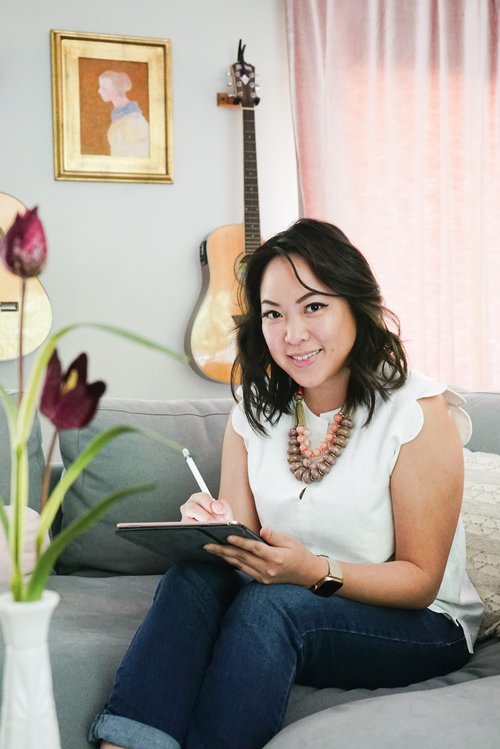 Hemos visto el origen de Wonder Woman desde muchos puntos de vista, pero no hemos seguido en muchas ocasiones a Diana siendo una niña y sintiéndose sola en Themyscira. Esto es lo que Shannon y Dean Hale nos ofrece en Diana. Princesa de las amazonas (aquí, su reseña), una novela gráfica para jóvenes lectores magníficamente ilustrada por Victoria Ying. No hemos querido perder la oportunidad de hablar con Victoria sobre este proyecto, su visión sobre Diana y Wonder Woman y lo importante que es alcanzar a los niños con historias inspiradoras para que puedan ser los lectores del futuro. Esto es lo que nos ha contado sobre este cómic.
Has dicho que Wonder Woman habría sido tu primera elección antes incluso de que recibir este encargo. Mirando hacia atrás, ¿cómo entraste en contacto con el personaje? ¿Cuáles son los primeros recuerdos que tienes de ella?
Wonder Woman era mi personaje favorito de la serie televisiva de animación de Liga de la Justicia. Me encantaba su diseño y el hecho de que era una líder tan fuerte entre tantos personajes masculinos. Podía estar junto a Superman y Batman y que la viéramos como una igual. Recuerdo mi primer bañador de Wonder Woman cuando estaba en Secundaria. ¡Me hacía sentir segura y poderosa en la piscina!
Aterrizaste en el proyecto con un guion ya acabado. ¿Supuso eso un problema, no tener la posibilidad de contribuir a la historia desde el principio?
He trabajado muchos años como ilustradora y siempre ha disfrutado con el trabajo en equipo. Mi experiencia está en la animación, he trabajado en Disney en películas como Enredados, ¡Rompe, Ralph!, Big Hero 6, Frozen y Vaiana, ¡así que algo sé sobre proyectos colaborativos! Dean y Shannon Hale estaban entre mis escritores favoritos, así que trabajar con ellos en este proyecto fue un placer. He aprendido mucho de sus métodos y de su forma de narrar.
Ya he leído que están bastante contentos con el resultado, ¿pero cómo fue la comunicación con Shannon y Hale durante el proceso?
He trabajado en colaboración con otros autores en libros ilustrados, pero esta era la primera vez en las que han estado tan involucrados. Veían mis páginas cada semana y normalmente me pasaban muy buenas anotaciones enfocadas en hacer que la historia estuviera más clara.
Este es un cómic de superhéroes para niños. En estos tiempos puede llegar a ser algo extraordinario, ya que las grandes editoriales apuntar a lectores adultos más que nunca… ¿Crees que podemos estar olvidándonos un poco de los lectores más jóvenes?
Creo que ahora mismo hay un renacimiento en el mercado de las novelas gráficas para jóvenes lectores. Aunque las dos grandes han estado tradicionalmente más enfocados en adultos, su acercamiento a los niños es una espléndida manera de construir nuevos lectores para el futuro.
¿Crees que Diana puede ser un modelo de conducta para los lectores jóvenes, incluso como la vemos aquí, siendo una niña que expresa sus sentimientos, solitaria, culpable, feliz…?
¡Sí! Siempre he visto a Diana como alguien inspirador, pero fue muy sencillo identificarse con ella como una niña que tiene sus propias inseguridades. Hace que los niños se sientan menos solos y que sepan que incluso Wonder Woman no siempre fue tan perfecta y segura.
Como has dicho, tienes una gran experiencia como animadora en Disney, incluso siendo parte de una película de superhéroes como Big Hero 6. Como artista, ¿hay muchas diferencias para ti entre hacer una película animada y un cómic?
En una película animada eres parte de una gran máquina. Hay cientos de artistas que se unen para hacer que todo funcione. Pero cuando trabajas en un cómic colaborativo se asemeja más a un grupo tocando en un garaje. El equipo es pequeño, los cambios se pueden hacer rápido y las aportaciones de todos se tienen en cuenta.
¿Qué fue más difícil para ti, retratar a la joven Diana como una amazona, una futura heroína capaz de grandes cosas, o simplemente como una niña que se siente sola, culpable, feliz…?
Me encantan las escenas en las que podemos pararnos y observar al personaje y sus emociones. Mis escenas favoritas siempre fueron aquellas en las que está sentada y hablando con Mona. ¡También me gustó mucho dibujar el otro lado de esa misma Wonder Woman futura! Las secuencias de acción fueron divertidas de hacer y un desafío para mí, pero no las encontré nunca difíciles, solo un reto en diferentes maneras.
Me encanta la relación que hay entre Diana y Mona, como las mejores amigas pero también como dos niñas de personalidades muy diferentes. ¿Qué es lo que más te ha hecho disfrutar con ellas?
Son muy diferentes, pero su dolor procede del mismo sitio. Mona y Diana son las dos muy solitarias, y creo que todo niño ha estado alguna vez en ese escenario. ¡Creo que el hecho de que sea tan fácil empatizar con ellas es lo que hace de ambas grandes personajes para niños!
¿Por qué Diana lleva un vestuario diferente en la portada y en el interior? ¿Por razones de márketing o simplemente querías jugar con los colores originales?
Ja, ja… Queríamos en portada la sensación del icónico diseño de Wonder Woman, con el rojo y el azul, pero la historia original se formó a partir de una escena de la película en la que vemos a Diana de niña en una cómoda toga. Creo que ese es el tono de la historia, la toga que lleva en el cómic es más apropiada pero hay algo comercial en su traje icónico que funcionaba para nuestra portada.
¿Vamos a ver más aventuras de esta Diana? ¿Has hablado de ello con Shannon y Dean? ¿Qué te imaginas para Diana?
¡Desde luego, eso espero! Shannon, Dean, Lark, el colorista, y yo adoraríamos todos volver a este mundo y a este personaje. ¡Hay tanto que explorar, que nos encantaría volver si DC nos deja!
¿Y qué hay de Wonder Woman? ¿Te sientes preparada para ilustrar aventuras de Diana de adulta?
Tengo muchos estilos artísticos, creo que me gustaría abordarla como adolescente, más que como adulta. Creo que todo público lidia con diferentes problemas en cada etapa de la vida, y yo, como mujer de treintaytantos que todavía está tratando de aclarar mis sentimientos como adulta, creo que conozco a los adolescentes. Creo que por ahora me gustaría más explorarla en esas primeras etapas, al menos hasta que tenga algo que decir a los adultos.
________________________________________________
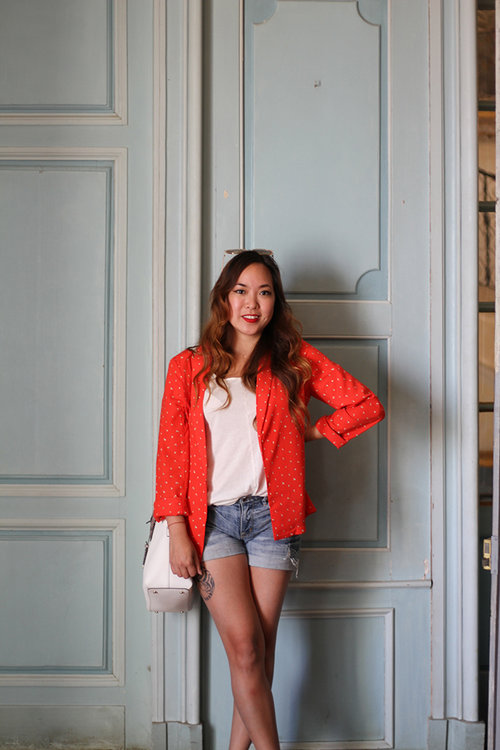 We’ve seen Wonder Woman’s origin from many different points of view, but not many times we’ve followed Diana as a kid, feeling loneliness in Themyscira. That’s what Shannon and Dean Hale offered us in Diana: Princess of the Amazons (here‘s the link to see our review in Spanish), a graphic novel for young readers illustrated in a beautiful way by Victoria Ying. We didn’t want to miss the opportunity to talk with Victoria about this project, her vision on Diana and Wonder Woman and on how important is to reach young kids with inspirational stories so they can be the fans of the future. Here’s what she told us about this comic book.
You’ve said Wonder Woman was your top pick even before you got this assignment. Looking back, how did you get in touch with the character? What do you recall as your first memories of her?
Wonder Woman was my favorite character in the animated Justice League TV show. I loved her design and the fact that she was such a strong leader among all of the boy characters. She could stand with Superman and Batman and be seen as an equal. I remember my first Wonder Woman bathing suit I got when I was in high school. It made me feel confident and powerful when I went to the pool!
You landed in the project with a script already finished. Was that a problem for you, not been able to contribute to the story from the very beginning?
I’ve worked as an illustrator for many years, and working with a team has always been a joy. My background is in animation where I worked at Disney on films such as Tangled, Wreck it Ralph, Big Hero 6, Frozen, and Moana, so I know a thing or two about working on collaborative projects! Dean and Shannon Hale were some of my favorite writers, so getting to work with them on this lproject was a pleasure. I learned a lot from their methods of storytelling.
I’ve read they’re quite happy with the results, but how was the feedback from Shannon and Dean during the proccess?
I have worked in collaboration with other authors before on picture book projects, but this was the first time that I’ve ever had them be so involved. They saw my pages every week and usually were very good at giving notes that were centered around making the story clearer.
This is a superhero comic book for children. These days that can be even something extraordinary, as the big companies target mature readers more than ever… Do you think we are maybe forgetting young readers quite a bit…?
I think there is a renaissance of graphic novels for young readers in the market right now. Although the big two have traditionally been more focused on adults, their foray into kids is a great way to build a new readership for the future.
Do you think Diana can be seen as a role model for Young readers, even as we see her here, as a child?
Yes! I always saw Diana as aspirational, but it was very relatable to see her as a kid who has her own insecurities. It makes kids feel less alone and know that even Wonder Woman wasn’t always her perfect confident self.
As you’ve said, you have quite an experience as animator as Disney, even being part of a superhero movie such as Big Hero 6. Are there many differences for you as an artist doing an animated feature and a comic book?
On an animated feature, you’re a part of a big machine. There are hundreds of artists who come together to make the thing work. But when working on a collaborative comic, it’s much more like a garaje band. The team is small, changes can be made quickly and everyone’s input is valued.
What was more difficult for you, to portrait Young Diana as an Amazon, a future heroine capable of great things, or just as a child, expresing her feelings and being lonely, guilty, happy…?
I love the scenes where we can just slow down and observe the character and her feelings. My favorite scenes were always the ones where she was just sitting and talking to Mona. I also like being able to draw the other side of her future Wonder Woman self! The action sequences were fun to do and a challenge for me, but I never found either to be difficult, just challenging in different ways.
I love the relationship between Diana and Mona, as best Friends but also as two girls with very different personalities. What did enjoy the most about them?
They’re very different, but they really do have the same source of pain. Mona and Diana are both lonely at heart and I think all kids have been there once or twice. I think the fact that they are so relatable is what makes them great characters for kids!
Why Diana wears different outfits in the cover and in the story? Marketing reasons or you just wanted top lay with the original colors?
Ha, ha. We wanted to have the feeling of the iconic Wonder Woman design with the red and blue of the cover, however, the original story pitch was formed from the one scene in the movie where we saw Diana as a little girl in a comfortable toga. I think that for the tone of the story, the toga she wears in the book is more appropriate, but there is a marketability to her iconic outfit that Works for our cover.
Are we going to get some new adventures of this Diana? Have you spoken about that with Shannon and Dean? What do you imagine for Diana?
We certinly hope so! Shannon, Dean, Lark (colorist) and I would all love to return to this world and this character. There’s so much to explore, we would love to return if DC would let us!
And what about Wonder Woman? Do you feel ready to illustrate Diana’s adventures as a grown-up?
I have many different art styles, so I think that I would like to tackle her as a teenager more tan an adult. I think every audience is dealing with different issues at every stage of life, and for me as a mid thirites woman, I’m still trying to sort out my adult feelings, but I think I have a grasp on teenagers. I think I would rather explore her at those early stages for now, at least until I have something I would want to say to adults.
 CÓMIC PARA TODOS