
Entrevista con Jonathan W. Rinzler sobre ‘The Star Wars’
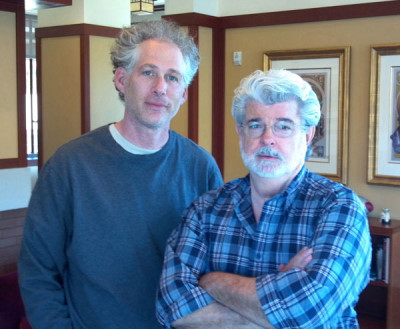
Ya hemos entrevistado a Mike Mayhew, el ilustrador de The Star Wars (aquí está el enlace a ese artículo), y ahora tenemos a su guionista, Jonathan W. Rinzler. Tiene una abrumadora experiencia en el universo de Star Wars, como autor y editor para Lucasfilm, así que es algo natural que se encargue de escribir la adaptación al cómic del primer borrador que George Lucas escribió para su primera película de Star Wars. Hemos hablado con él sobre los detalles del cómic, su aspecto final, la participación del propio Lucas en el proyecto, y la posibilidad de que esta historia única tenga una continuación.
Después de diez años trabajando en Lucasfilm y de editar incontables libros sobre esta saga, ¿cómo se te ocurrió la idea de transformar el primer borrador de George Lucas para Star Wars en un cómic?
La idea me vino mientras estaba investigando y escribiendo The Making of Star Wars. Mientras leía el primer borrador, me pareció una gran historia de aventuras, tan diferente y tan parecida a la película final de muchas e interesantes maneras.
Es todo un desafío escribir una historia que está obligada a ser al menos tan buena como fue la primera película de Star Wars. ¿Te sentiste intimidado por esta tarea o simplemente ilusionado con hacer un buen trabajo?
No tuve la sensación de estar compitiendo con la película. Pensé que le estaba dando una nueva vida a la primera historia completa de Star Wars de George Lucas, adaptándola para que un gran artista (que resultó ser Mike Mayhew) pudiera darle una interpretación visual para que tanto los aficionados como los estudiosos de Star Wars la pudieran apreciar.
En la introducción del tomo recopilatorio explicas cómo reaccionó Lucas a la idea, ¿pero puedes contarnos algo más? ¿Simplemente dio su aprobación o se mostró dispuesto a participar en el proceso de convertir su visión original en un cómic?
Como he dicho, al principio él quería implicarse en la fase conceptual. Pero cuando vendió Lucasfilm a Disney decidió que su implicación sería mucho menor. Al final le envié el cómic casi completo para ver si quería hacer algún cambio. No obstante, para entonces él ya estaba liado con otros proyectos y tenía muy poco tiempo para dedicarle a este.
Me encanta esa sensación aventurera de Star Wars que hay en este libro, casi como un recuerdo de la primera película pero de alguna manera es diferente. ¿Lo sientes como parte de la mitología de Star Wars o como algo único?
Creo que representa muchas de las ideas de Lucas en bruto, todavía sin forma, pero muy puras de muchas maneras. Además, en este punto él no tenía en cuenta preocupaciones presupuestarias. Se vació antes de tomar medidas para mejorar y hacerlo rodable por una cierta cantidad de dinero. Pero los mismos personajes encajan en el plan general de Lucas. Todas esas ideas, o muchas de ellas, se transformarían después en conceptos más maduros.
En mi opinión la historia funciona de maravilla por sí sola, ¿pero por qué crees tú que un aficionado de Star Wars puede encontrarla atractiva?
Porque es una historia completa no publicada (y la primera) escrita por el mismísimo creador de esta fantasía espacial. Es como si encontraras un borrador original de El hobbit o de cualquier otra gran obra. Revela detalles sobre el autor y también muestra a los estudiosos cómo puedes pasar de un primer borrador a uno más elaborado. Por todas esas razones, aficionados y estudiosos de la escritura deberían estar interesados. Ha sido número 1 en la lista de Best-Sellers del New York Times.
Por supuesto, hay grandes cambios con respecto al guión final. ¿Pero hay cambios con respecto al borrador en el que se basa? ¿Qué añadiste a las ideas de Lucas para conseguir una historia mejor?
He intentado dejarlo tal cual es. Los grandes cambios fueron elecciones del tipo «¿qué dejamos fuera?». Al hacerlo, he mantenido lo que se necesitaba para contar la historia más potente y las visual, teniendo en cuenta el medio. Si la hubiese novelado, habría sido muy diferente. La única escena que añadí fue la del tumulto en la “gasolinera” al final del tercer número, que tuvo la aprobación de George. También añadí algo de diálogo por aquí y por allá, porque algunas partes del borrador estaban todavía muy crudas. Al hacerlo intenté mantenerme fiel al estilo del diálogo cercano al serial de aventuras. No lo elaboré demasiado, porque no habría encajado en la historia.
Scott Kolins, que dibujó algunas páginas para conseguir luz verde para el proyecto, es un ilustrador muy diferente a Mike Mayhew. ¿Por qué los escogiste a ambos para esas fases diferentes del proceso?
Aprobé a los dos ilustradores, pero fue Randy Stradley, el editor de Dark Horse, quien los encontró a ambos. Kolins no podía comprometerse a hacer toda la serie, así que Randy reclutó a Mike, del que pensamos que podía hacer Star Wars basándonos en sus otros trabajos de cómic. E hizo una gran labor, sobre todo al principio tuvo que hacer un trabajo muy duro. Pero me encanta el trabajo inicial que hizo Kolins.
Mike tuvo que realizar muchos diseños para complementar las primeras ilustraciones de Ralph McQuarrie para la película. ¿Cómo trabajaste con él? ¿Te lo enviaba todo para tu aprobación o la de Lucasfilm o tomaba él las decisiones sobre el aspecto final de los personajes?
Le envíe el trabajo de McQuarrie o Joe Johnston como inspiración para ciertos personajes, naves y escenas, mientras que Mayhew creó él mismo una gran cantidad de material. Cada concepto era aprobado por mí y por Lucasfilm. Todo fue muy rápido, no hubo personajes que causaran muchos problemas.
The Star Wars no tiene un final abierto como el Episodio IV, ¿pero sería posible continuar estas aventuras adaptando El Imperio contraataca o explorando nuevos caminos? ¿Te gustaría hacerlo?
Me encantaría hacer versiones de El Imperio contraataca y El retorno del Jedi, sobre todo de esta última. Pero ahora tenemos un nuevo panorama de películas e historias independientes de Star Wars, así que dudo que nadie tenga el deseo de hacer más proyectos esotéricos como este.
________________________________________________
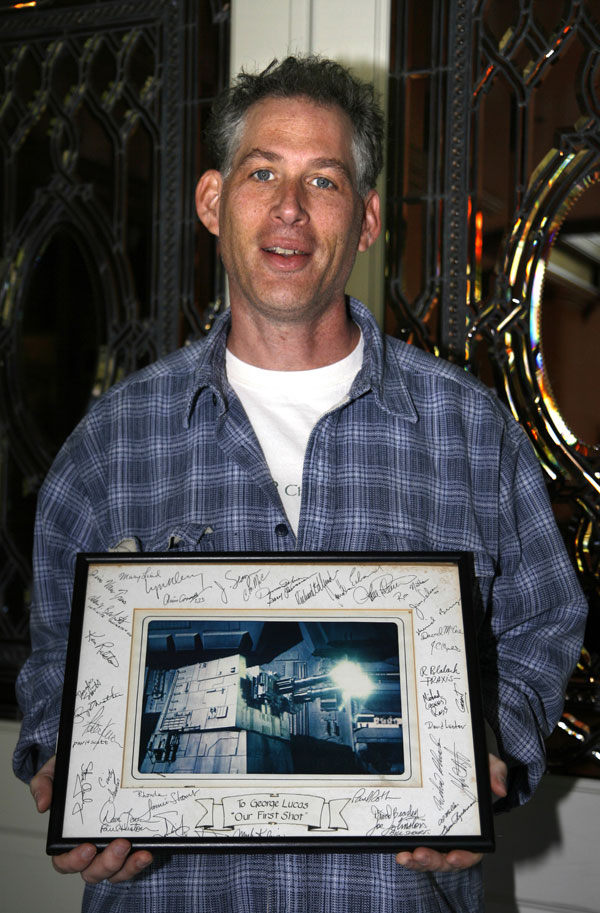
We’ve already interviewed Mike Mayhew, The Star Wars’ artist (here’s the link to that article), and now we have its writer, Jonathan W. Rinzler. He has an overwhelming experience in the Star Wars universe, as an author and editor for Lucasfilm, so it feels kid of natural to have him as the writer for the comic book adaptation of the first draft George Lucas wrote for his first Star Wars movie. We talked with Rinzler about the details of the comic book, its final look, the involvement in the project of Lucas himself and the possibility of having a continuation to this unique story.
After ten years working in Lucasfilm and editing countless books about this saga, how did you come up with the idea of transforming George Lucas’ first draft for Star Wars in a comic book?
While I was researching and writing The Making of Star Wars, the thought occurred to me. While reading the rough draft, it just seemed like a great adventure story—and so different and so similar to the final film in many interesting ways.
It’s kind of a challenge to write a story that has to be at least as good as the first Star Wars film was. Did you feel intimidated with the task or just hopeful to do a goob job?
I didn’t feel I was competing with the film. I felt I was giving new life to George Lucas’s first complete Star Wars story, adapting it so that a superb artist (Mike Mayhew, as it turns out) could translate it into visual terms—so the fans and students of Star Wars could appreciate it.
In the introduction of the hardcover you explain Lucas’ reaction to the idea, but can you tell us something more about it? Did he just gave you his approval or was he willing to participate in the process of making his original vision as a comic book?
As I mentioned, he originally wanted to be involved in the conceptual phase; but when he sold Lucasfilm to Disney, he decided to be much less involved. In the end I would send him the nearly complete comic book to see if he had any changes. By that time, however, he was involved in other projects and had little time to spare.
I love the adventurous feeling of Star Wars in this book, almost as a memory of the first movie but kind of different. Do you feel like part of the Star Wars mythology or like something unique?
I think it represents many of Lucas’s raw ideas, still unformed, but in some ways very pure. He was also, at this point, unconcerned with a budget. He got it all out of his system before cracking down and improving it and making it filmable for a certain amount of money. But the characters themselves fit into Lucas’s general plan; all the ideas, or many of them, would morph into their later, more mature counterparts.
In my opinion, the story works wonderfully as a stand alone, but why do you think a Star Wars fan can find this comic book attractive?
Because it is an unpublished (and the first) complete Star Wars story written by the creator of the space fantasy himself. It’s as if you found an original draft of The Hobbit or some other great work. It reveals things about the author and also shows students how you might get from a rough draft to a more polished one. For all those reasons fans and students of writing have been interested. It was a #1 New York Times Best-Seller.
There are, of course, mayor changes from the final script. But there have been changes from the draft it is based on? What did you add to Lucas’ ideas to get a better story?
I tried to leave it pretty much as is. The biggest changes were those of choice: what to leave out. In doing so, I kept what was needed to tell the strongest story and the most visual story, given the medium. If I’d been writing a novelization, it would’ve turned out much differently. The only scene I added is the melee at the “gas station” at the end of issue #3, which George approved. I also had to add dialogue here and there, as parts of the draft were only roughed. When doing so I tried to remain true to the serial adventure style of the dialogue—I didn’t get fancy, as it wouldn’t have suited the story.
Scott Kolins, who illustrate some page to get the green light for the project, is a very different illustrator than Mike Mayhew. What make you choose both of them at those different stages of the development? Having Mike no previous Star Wars experience, what do you think of the final art of the comic book?
I approved both artists, but Dark Horse editor Randy Stradley found each artist. Kolins couldn’t commit to doing the whole series so Randy recruited Mike, who we both felt could do Star Wars, based on his other comic book work. And it was a big job. Particularly in the beginning he had to work very hard. But I love the early work that Kolins did.
Mike has to do a lot of designing to complement Ralph McQuarrie’s original work for the movie. How did you work with him? Did he sent you everything for approval from you or Lucasfilm, or was the final characterization his call?
I sent McQuarrie or Joe Johnston artwork as inspiration for certain characters, ships, and scenes, while Mayhew came up with a lot stuff on his own. Every final concept was approved by me and Lucasfilm. It went very quickly, with no characters causing much of a problem.
The Star Wars has not an open end like Episode IV, but could it be possible to continue these adventures adapting The Empire Strikes Back or exploring new ways? Would you like to do it?
I’d be happy to do versions of The Empire Strikes Back and Return of the Jedi, particularly the latter. But now we’re on to a whole new slate of Star Wars films and stand-alones, so I doubt anyone will have the appetite to do more of these esoteric projects.
 CÓMIC PARA TODOS